



P2X3 Receptor
P2X3 receptor (P2X purinoceptor 3) is an ATP-gated, trimeric cation channel predominantly expressed in sensory neurons, where it mediates extracellular ATP signaling and contributes to primary sensory transduction and nociceptive processing[1][2][3]. Mechanistically, tissue injury, inflammation, or cellular stress can increase extracellular ATP levels, leading to activation of P2X3-containing receptors and amplification of sensory signaling pathways involved in pain and neurogenic responses[2][4]. A distinctive feature of P2X3 is its rapid desensitization and slow recovery kinetics, properties that strongly influence the temporal pattern of sensory neuron excitation and ATP-dependent signal transmission[5]. In disease-related contexts, P2X3-containing receptors have been implicated in chronic pain, bladder sensory dysfunction, and chronic cough, where excessive ATP-driven activation of sensory afferents contributes to pathological hypersensitivity[2][4][6]. Compared with related P2X receptor isoforms, P2X3 can form both homomeric P2X3 channels and heteromeric P2X2/3 channels; these receptor assemblies play distinct roles in sensory neurons and are major mediators of ATP-evoked sensory responses[3][7][8]. For experimental applications, selective P2X3 antagonists have become important pharmacological tools for dissecting purinergic signaling pathways, and the antagonist gefapixant has demonstrated clinical efficacy in refractory or unexplained chronic cough, supporting the translational relevance of P2X3-targeted modulation[4][6].
References:
- [1]. Spinaci A, et al. P2X3 Receptor Ligands: Structural Features and Potential Therapeutic Applications. Front Pharmacol. 2021 Apr 13;12:653561. [Content Brief]
- [2]. Krajewski JL. P2X3-Containing Receptors as Targets for the Treatment of Chronic Pain. Neurotherapeutics. 2020;17:826-838.
- [3]. Li M, et al. Subtype-specific control of P2X receptor channel signaling by ATP and Mg2+. Proc Natl Acad Sci U S A. 2013 Sep 3;110(36):E3455-63. [Content Brief]
- [4]. McGarvey LP, et al. Efficacy and safety of gefapixant, a P2X3 receptor antagonist, in refractory chronic cough and unexplained chronic cough (COUGH-1 and COUGH-2): results from two double-blind, randomised, parallel-group, placebo-controlled, phase 3 trials. Lancet. 2022 Mar 5;399(10328):909-923. [Content Brief]
- [5]. Giniatullin R, et al. Desensitization properties of P2X3 receptors shaping pain signaling. Front Cell Neurosci. 2013 Dec 6;7:245. [Content Brief]
- [6]. Smith JA, et al. Gefapixant, a P2X3 receptor antagonist, for the treatment of refractory or unexplained chronic cough: a randomised, double-blind, controlled, parallel-group, phase 2b trial. Lancet Respir Med. 2020;8(8):775-785.
- [7]. Schmid R, et al. ATP-Gated P2X Receptor Channels: Molecular Insights into Functional Roles. Annu Rev Physiol. 2019 Feb 10;81:43-62. [Content Brief]
- [8]. Burnstock G. P2X receptors in sensory neurones. Br J Anaesth. 2000 Apr;84(4):476-88. doi: 10.1093/oxfordjournals.bja.a013473. PMID: 10823099. [Content Brief]
-
P2X3 Receptor Related Products (27)
Related Products (27)

- 1
- 2
-
BzATP triethylammonium salt
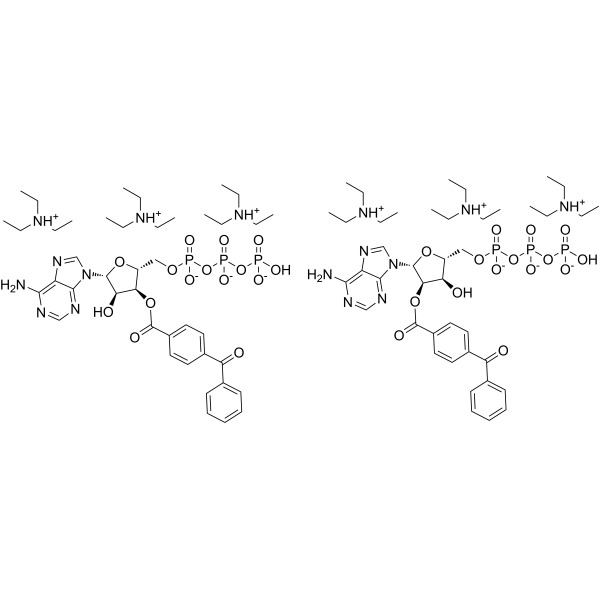 0 ImagesCat. No.: HY-136254Purity: 99.19%BzATP triethylammonium salt acts as a P2X receptor agonist with pEC50s of 8.74, 5.26, 7.10, 7.50, 6.19, 6.31, 5.33 for P2X1, P2X2, P2X3, P2X2/3, P2X4 and P2X7, respectively. BzATP triethylammonium salt is potent at P2X7 receptors with EC50s of 3.6 μM and 285 μM for rat P2X7 and mouse P2X7, respectively.
-
Aurintricarboxylic acid
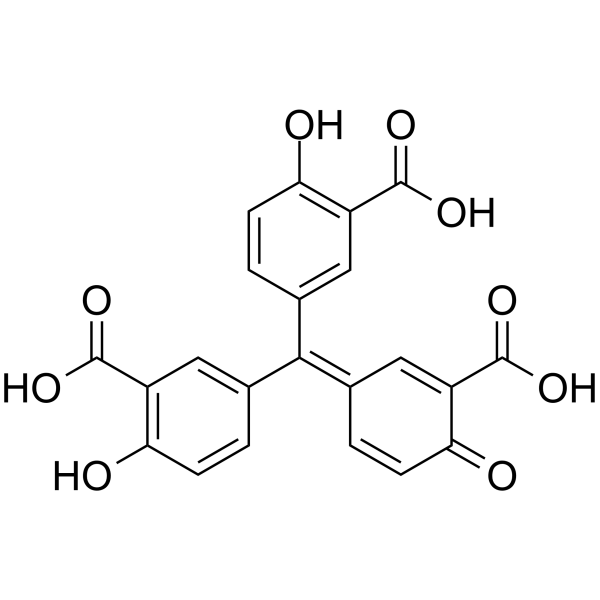 0 ImagesAurintricarboxylic acid is a nanomolar-potency, allosteric antagonist with selectivity towards αβ-methylene-ATP-sensitive P2X1Rs and P2X3Rs, with IC50s of 8.6 nM and 72.9 nM for rP2X1R and rP2X3R, respectively. Aurintricarboxylic acid is a potent anti-influenza agent by directly inhibiting the neuraminidase. Aurintricarboxylic acid is an inhibitor of topoisomerase II and apoptosis. Aurintricarboxylic acid is a selective inhibitor of the TWEAK-Fn14 signaling pathway. Aurintricarboxylic acid also acts as a cystathionine-lyase (CSE) inhibitor with an IC50 of 0.6 μM. Aurintricarboxylic acid is a modifier of miRNAs that regulate miRNA function, with an IC50 of 0.47 µM.
-
α,β-Methylene-ATP trisodium
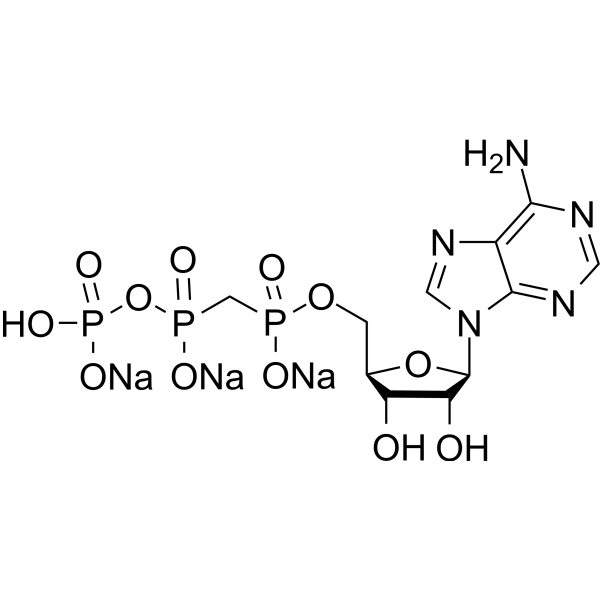 0 Imagesα,β-Methylene-ATP trisodium is an agonist of P2X1 and P2X3 receptors and can cross the blood-brain barrier. α,β-Methylene-ATP trisodium can trigger a reflex pressor response by activating P2X receptors in peripheral muscles and the central locus coeruleus (LC); this effect can be blocked by the P2X antagonist PPADS (HY-108960). α,β-Methylene-ATP trisodium also activates noradrenergic neurons in the central locus coeruleus, mediating antinociceptive effects; this effect can be attenuated by the locus coeruleus damaging agent DSP-4 (HY-103210/HY-121602). α,β-Methylene-ATP trisodium can be used to study the pathological mechanisms of neuropathic pain, cardiovascular reflex regulation, and antinociceptive effects of the central nervous system.
-
Gefapixant
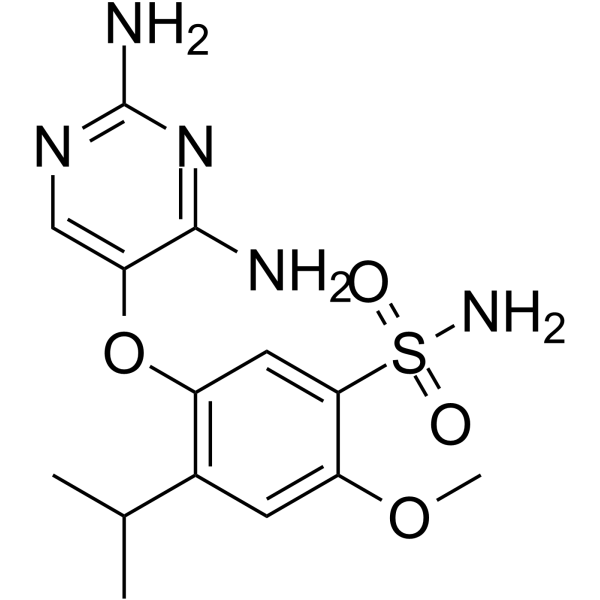 0 ImagesSynonyms: MK-7264; AF-219Gefapixant is an orally active and potent purinergic P2X3 receptor (P2X3R) antagonist, with IC50 values of ~30 nM versus recombinant hP2X3 homotrimers and 100-250 nM at hP2X2/3 heterotrimeric receptors. Gefapixant can be used for the research of chronic cough and knee osteoarthritis.
-
A-317491
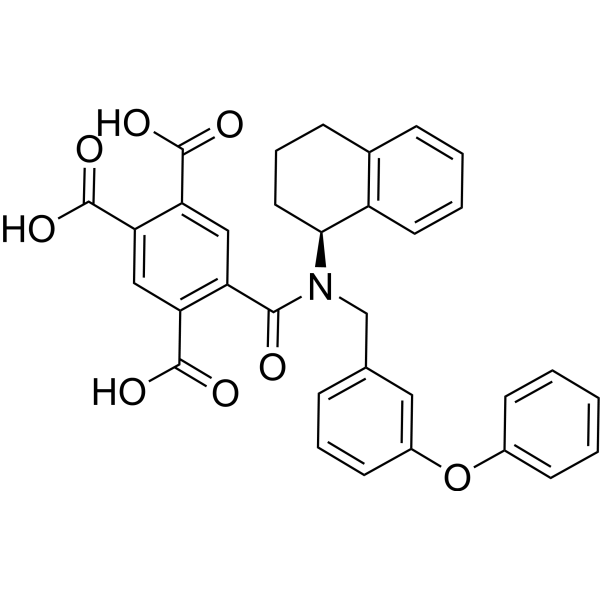 0 ImagesA-317491 is a potent, selective and non-nucleotide antagonist of P2X3 and P2X2/3 receptors, with Kis of 22, 22, 9, and 92 nM for hP2X3, rP2X3, hP2X2/3, and rP2X2/3, respectively. A-317491 is highly selective (IC50>10 μM) over other P2 receptors and other neurotransmitter receptors, ion channels, and enzymes. A-317491 reduces inflammatory and neuropathic pain by blocking P2X3 and P2X2/3 receptor-mediated calcium flux.
-
Femopixant
 0 ImagesCat. No.: HY-137136CAS No.: 2310392-52-8Femopixant is a P2X3 and P2X2/3 receptor antagonist. Femopixant can be used for the research of pain.
-
P2X2/3-antagonist-1
 0 ImagesCat. No.: HY-189007P2X2/3-antagonist-1 is a P2X2/3 purinergic receptor antagonist and taste blocker. P2X2/3-antagonist-1 binds to an allosteric site, induces a concentration-dependent rightward shift of the concentration-response curve of the α,β-Me-ATP agonist, and shares the binding site with AF-353 (HY-14483). P2X2/3-antagonist-1 blocks bitter taste perception in mice and abolishes their preference for plain water over bitter Quinine (HY-D0143) solution.
-
MK-3901
 0 ImagesCat. No.: HY-122163CAS No.: 1149750-69-5
-
AF-353
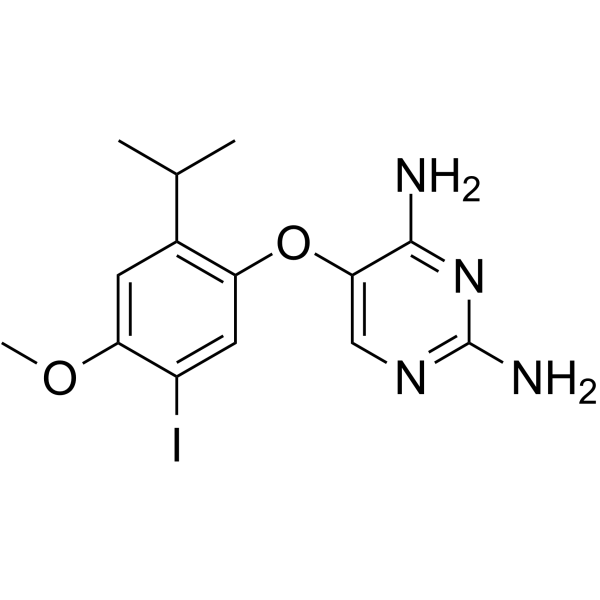 0 ImagesSynonyms: Ro-4AF-353 (Ro-4) is a potent, selective and orally bioavailable P2X3/P2X2/3 receptor antagonist, with a pIC50 of 8.0 for both human and rat P2X3, and with a pIC50 of 7.3 for human P2X2/3.
-
TNP-ATP triethylammonium
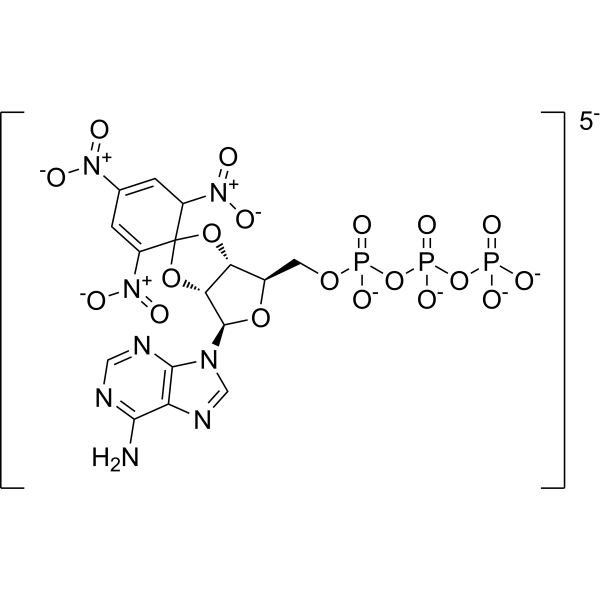 0 ImagesTNP-ATP triethylammonium is a P2X receptor antagonist with an IC50 of 0.010 μM for P2X3 and an IC50 of 0.062 μM for P2X2/3. TNP-ATP triethylammonium acts as an inhibitor of CheA autophosphorylation, with a Ki of 0.7 µM. TNP-ATP triethylammonium blocks the functional activation of P2X1-7 receptors. TNP-ATP triethylammonium attenuates hypoxia-induced IL-1β expression and release. TNP-ATP triethylammonium alleviates visceral pain, and improves hypoxia-induced cognitive impairment, insufficient myelination and neuroinflammation. Binding of TNP-ATP triethylammonium to CheA enhances the fluorescence of the TNP group. TNP-ATP triethylammonium can be used in studies related to visceral pain. NP-ATP triethylammonium can be used in studies related to hypoxia-induced insufficient myelination and cognitive decline.
-
Minodronic acid
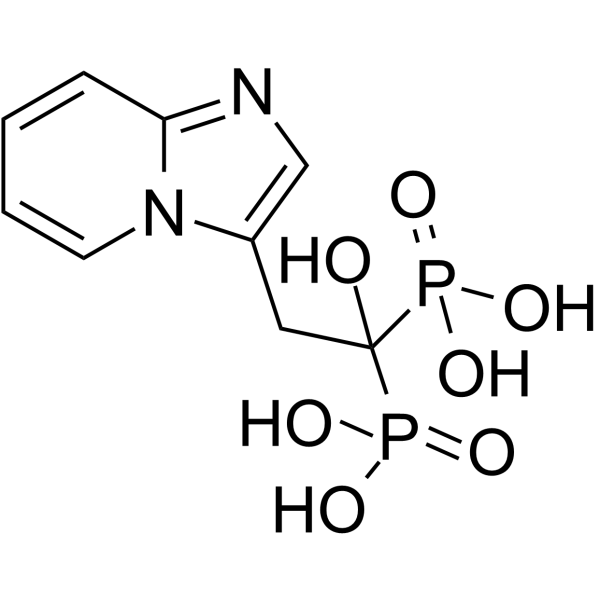 0 ImagesSynonyms: YM-529Minodronic acid (YM-529) is an FPP synthase inhibitor with an IC50 of 3 nM, and also an antagonist of P2X2/3 receptors with an IC50 of 62.7 μM. Minodronic acid induces tumor cell apoptosis and inhibits cell growth. Minodronic acid also suppresses bone resorption. Minodronic acid can be used in research related to osteoporosis and cancer.
-
Eliapixant
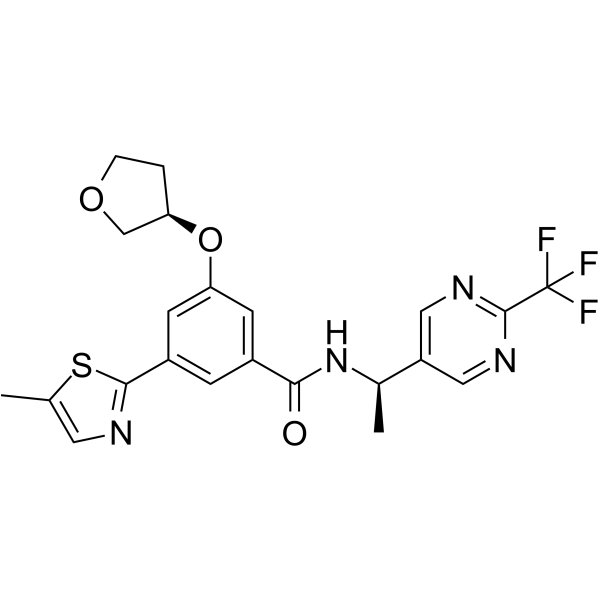 0 ImagesSynonyms: BAY 1817080Eliapixant (BAY 1817080) is a potent and selective antagonist of P2X3 receptor, with an IC50 of 8 nM. Eliapixant can be used for the research of refractory chronic cough.
-
NF279
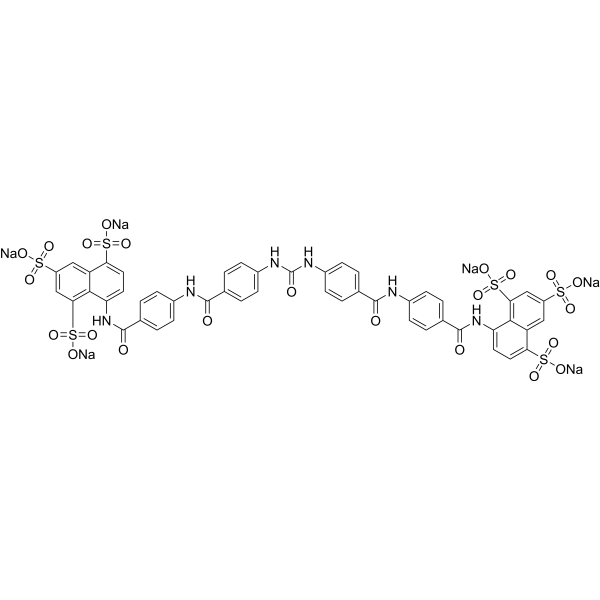 0 ImagesNF279 is a selective P2X1 receptor antagonist and NTPDase inhibitor, with a P2X1 IC50 value of 19 nM. NF279 suppresses GABA-evoked currents, reduces ATP-excited respiratory activity, alters hypoglossal nerve burst parameters, and blocks CXCR4, CCR5, CXCR3, and CXCR7-mediated calcium responses. NF279 arrests HIV-1 fusion downstream of CD4 binding, inhibits R5- and X4-tropic HIV-1 strains. NF279 can be used for the research of HIV-1 infection.
-
Opiranserin hydrochloride
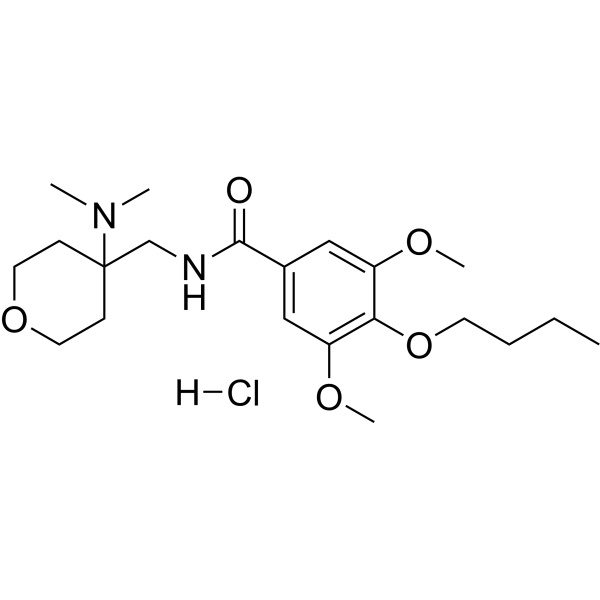 0 ImagesSynonyms: VVZ-149 hydrochlorideOpiranserin (VVZ-149) hydrochloride, a non-opioid and non-NSAID analgesic candidate, is a dual antagonist of glycine transporter type 2 (GlyT2) and serotonin receptor 2A (5HT2A), with IC50s of 0.86 and 1.3 μM, respectively. Opiranserin hydrochloride shows antagonistic activity on rP2X3 (IC50=0.87 μM). Opiranserin hydrochloride is development as an injectable agent for the treatment of postoperative pain.
-
Gardenoside
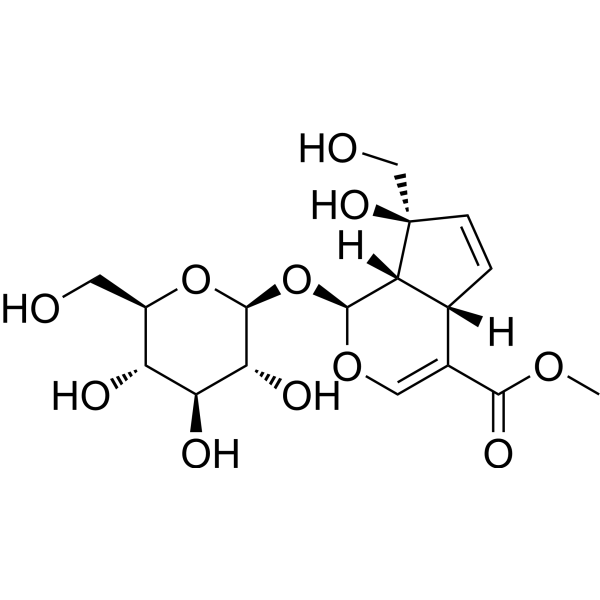 0 ImagesGardenoside is an orally active natural compound found in Gardenia fruits. Gardenoside reliefs chronic constriction injury (CCI)-induced neuropathic pain by regulating the P2X3 and P2X7 receptors. Gardenoside has an inhibitory effect on free fatty acids (FFA)-induced cellular steatosis. Gardenoside reduces reactive oxygen species (ROS). Gardenoside can be used for anti-inflammatory, antinociceptive and hepatoprotective study.
-
A-317491 sodium salt hydrate
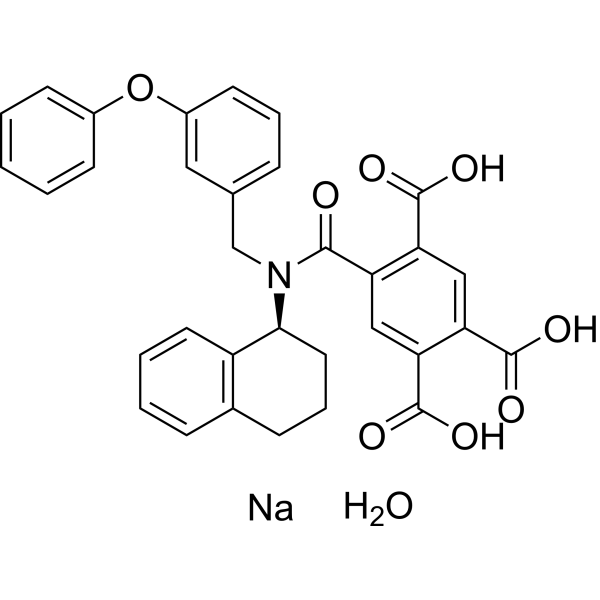 0 ImagesCat. No.: HY-15568APurity: 99.88%A-317491 sodium salt hydrate is a potent, selective and non-nucleotide antagonist of P2X3 and P2X2/3 receptors, with Kis of 22, 22, 9, and 92 nM for hP2X3, rP2X3, hP2X2/3, and rP2X2/3, respectively. A-317491 sodium salt hydrate is highly selective (IC50>10 μM) over other P2 receptors and other neurotransmitter receptors, ion channels, and enzymes. A-317491 sodium salt hydrate reduces inflammatory and neuropathic pain by blocking P2X3 and P2X2/3 receptor-mediated calcium flux.
-
P2X3 antagonist 34
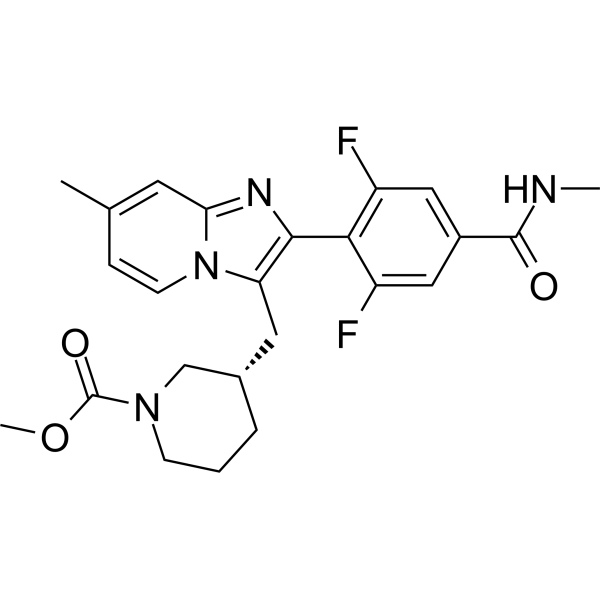 0 ImagesP2X3 antagonist 34 is a potent, selective and orally active P2X3 homotrimeric receptor antagonist with IC50s of 25 nM, 92 nM and 126 nM for human P2X3, rat P2X3 and guinea pig P2X3 receptors, respectively. P2X3 antagonist 34 is less active against human, rat and guinea pig P2X2/3 heterotrimeric receptors. P2X3 antagonist 34 has strong anti-tussive effect.
-
Piromelatine
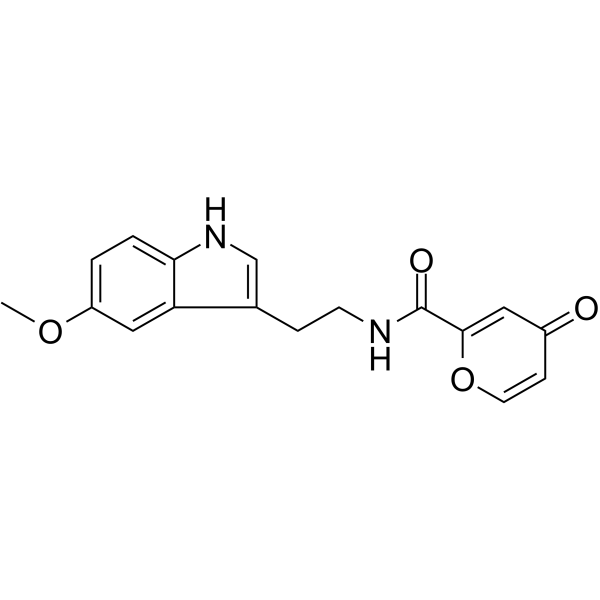 0 ImagesSynonyms: Neu-P11Piromelatine (Neu-P11) is a melatonin MT1/MT2 receptor agonist, serotonin 5-HT1A/5-HT1D agonist, and serotonin 5-HT2B antagonist. Piromelatine (Neu-P11) possesses sleep promoting, analgesic, anti-neurodegenerative, anxiolytic and antidepressant potentials. Piromelatine (Neu-P11) also possesses pain-related P2X3, TRPV1, and Nav1.7 channel-inhibition capacities.
-
Gefapixant citrate
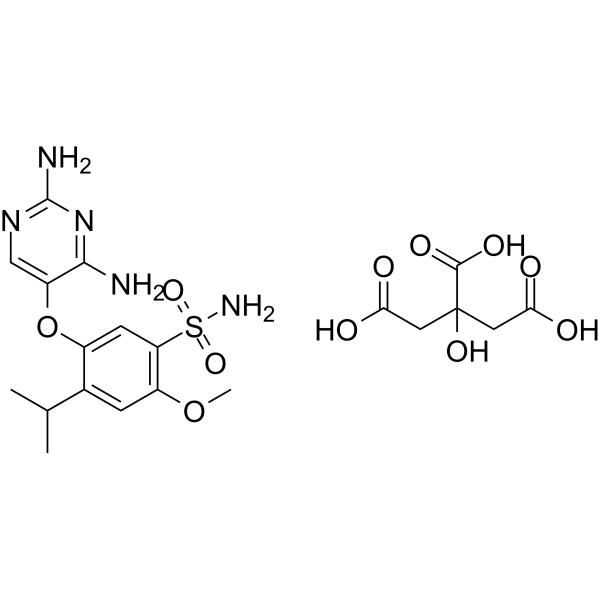 0 ImagesSynonyms: MK-7264 citrate; AF-219 citrateGefapixant citrate is an orally active and potent purinergic P2X3 receptor (P2X3R) antagonist, with IC50 values of ~30 nM versus recombinant hP2X3 homotrimers and 100-250 nM at hP2X2/3 heterotrimeric receptors. Gefapixant citrate can be used for the research of chronic cough and knee osteoarthritis.
-
Filapixant
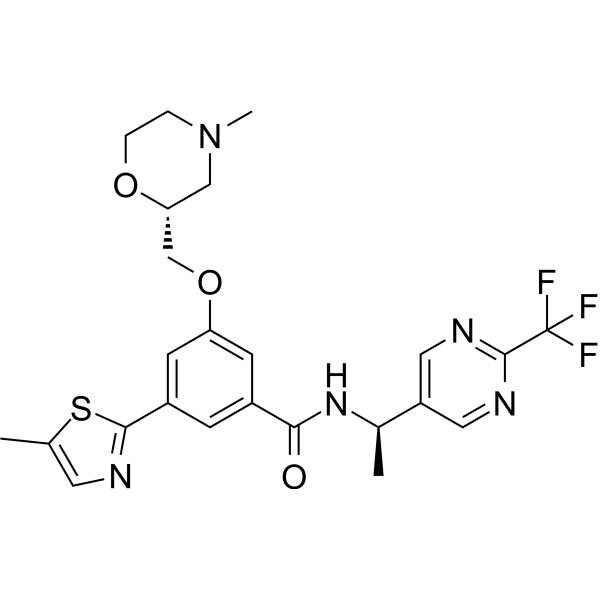 0 ImagesSynonyms: BAY 1902607Filapixant (BAY 1902607) is an orally active and selective P2X3 receptor antagonist. Filapixant is applicable to the research of refractory chronic cough.
- 1
- 2



